




A Caregiver’s Perspective: How Adult Changing Stations Help Families Navigate Life Outside the Home
Planning a family outing is a simple task for most people: Grab your keys, step out the door, and go. But for caregivers like Keli Osborne, every trip requires intense preparation, strategic routing, and endless contingency plans for her son, Logan.
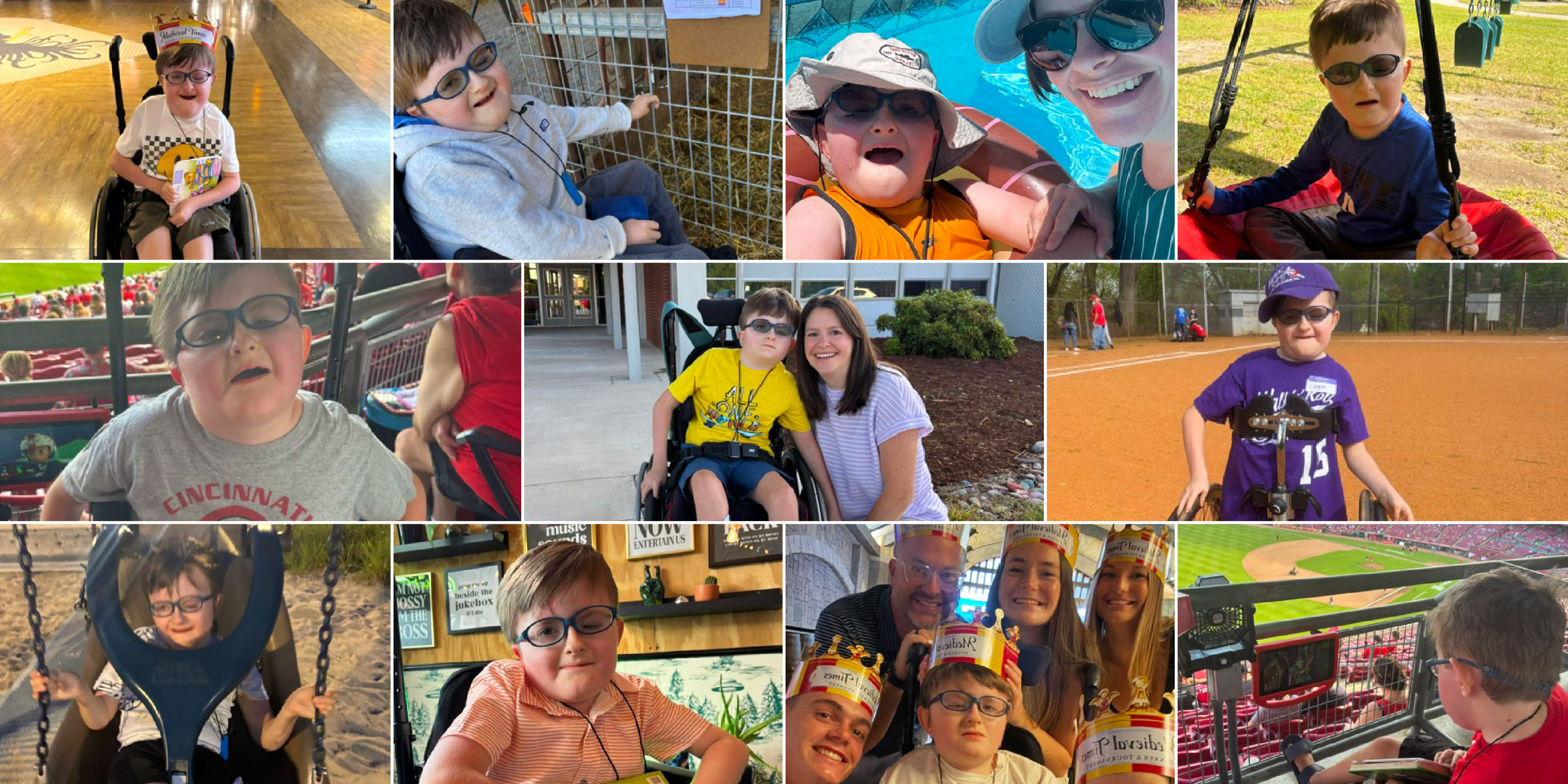
Keli’s 9-year-old son was born with L1CAM syndrome, a rare genetic condition that affects his mobility and physical development. Logan uses a manual wheelchair, is nonverbal, and requires full support for transferring to be changed and personal care.
Like most 9-year-olds, Logan plays T-ball and loves to go camping, but navigating public spaces without consistent access to accessible changing options means his family often has to find workarounds that don’t provide the privacy, safety, and dignity he deserves.
For facility managers and architects, Logan’s story highlights a critical gap in modern public design: Standard ADA compliance often leaves those with complex physical needs out entirely.
The Anatomy of an Outing: Packing and Planning

Every outing requires extensive planning. So, research is the first step
- Will there be appropriate, private spaces available for Logan?
- Do venues offer specialized gear, such as beach wheelchairs and mats?
- Is there wheelchair-accessible seating and entry rules for events?
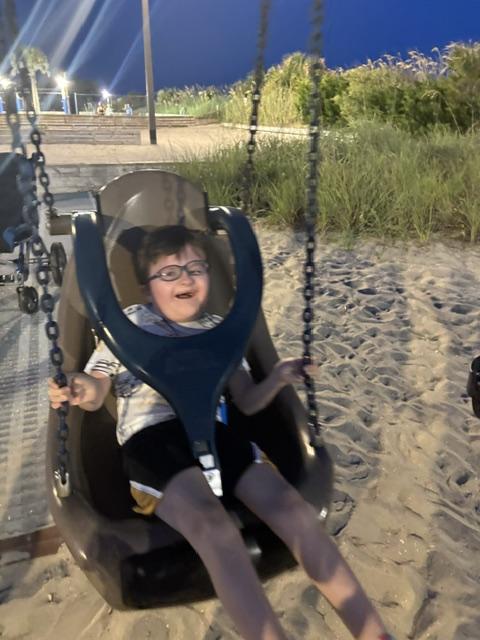
- Do local parks feature wheelchair-accessible swings?
- Is the overall layout and amenities comfortable and manageable for Logan’s needs?
Then before actually leaving the house, she must anticipate and pack everything she may require in the face of any potential medical or personal needs.
“A typical outing means I have to pack a whole bag,” Keli said. “I have to carry his emergency rescue medications — he has a severe peanut allergy and epilepsy — plus water, snacks, diapers, wipes, and a tablet to keep him engaged. We also need a vehicle big enough to hold his wheelchair, his adaptive stroller, and all of our gear.”
Emergency Backups: The Reality of the Trunk
Handling Logan’s restroom needs in public is its own challenge. With his condition, ADA-accessible stalls lack the space, lifting equipment, and privacy needed. Also, he is too large for standard baby changing tables.
That leaves these options for public restroom use:
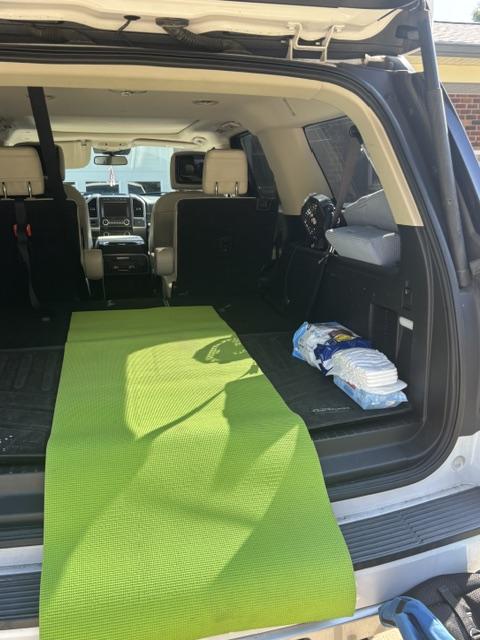
- The back-of-the-car method: Keli keeps a yoga mat in the back of her Ford Expedition MAX to lay Logan down for changes. While functional, it lacks privacy, exposes him to weather elements, and forces him to be changed in public view.
- Bathroom benches: During a college graduation event with no reentry allowed, Keli had to change Logan on a small bench inside a crowded, high-traffic restroom. Leaning over at an awkward height while trying to shield him from passersby created an uncomfortable experience for both of them.
- First aid/medical rooms: At a Major League Baseball game, stadium staff directed Keli to the first aid room. While private, air-conditioned, and clean, it was 20 stadium sections away from their seats. And the table was not height-adjustable, making the transfer more difficult.
“He can’t speak, but he expresses his feelings,” Keli said. “You can tell by the look on his face when he’s miserable or embarrassed. It takes away their dignity when they don’t have a safe, quiet, and private place to change.”
Limiting Life: The Events That Get Left Behind
When the stress of finding appropriate facilities outweighs the joy of the activity, the family simply chooses to stay home.
Whether it’s skipping local college football games or opting out of community trips to mountainous areas such as Gatlinburg, the absence of proper facilities forces families to miss out on shared experiences.

The Game-Changer: Height-Adjustable Adult Changing Stations
For building owners and operators, event directors, and designers, adding an adult changing table ensures you are creating spaces where every family belongs. But choosing the right table is also critical. While standard flat tables or medical cots offer a surface, they miss a critical component of safety and ease: height adjustability.
A height-adjustable station with a changing surface that can be lowered down to standard wheelchair heights (around 12 inches off the ground) and raised up to a comfortable working height for each individual personal care attendant (up to 41 inches).
Key Advantages of Height-Adjustable Tables
- Safe transfers: Allows caregivers to transfer an individual by pivoting or sliding them onto the changing bed, which eliminates dangerous heavy lifting.
- Caregiver ergonomics: Prevents back strain and injuries caused by bending over low surfaces or kneeling on hard floors.
Knowing a public facility has provided dedicated restrooms with a universal changing station completely changes a caregiver’s mental state. Instead of feeling anxious about time limits, fluid intake, privacy, or emergency cleanups, caregivers can focus entirely on enjoying the day.
A Message to Architects, City Planners, and Building Owners
If building operators, architects, and city planners assume that standard ADA-compliant restrooms are sufficient, they are only serving those individuals who can self-transfer to a toilet. Children and adults such as Logan who require full-transfer changing care get left out completely.
Keli’s message to designers and decision-makers is straightforward: “If you make facilities truly accessible for everybody from the start, you don’t have to build separate, makeshift workarounds later. Don’t design for able-bodied people first and then treat accessibility as an afterthought out back by the dumpster. Just make it universal.”
By installing height-adjustable adult changing stations in public spaces, venues, parks, and stadiums, you open the door for every family to enjoy public life with safety, comfort, and dignity. Ready to make your facilities inclusive for every family? Explore Koala Kare’s height-adjustable adult changing stations to learn more.
